The Discovery
The first indication that something unusual had been uncovered was not the object itself, but the silence that followed its removal. Until that moment, the excavation had been routine.
The site lay just outside the old boundaries of Jerusalem, in an area long believed to have been used for burials during the early Roman occupation. It had been surveyed before lightly, decades earlier but never with modern methods. The current dig, funded jointly by a European historical institute and a private foundation, was intended to catalog secondary burial chambers and any associated artifacts. Expectations were modest. Broken pottery. Bone fragments. Coins, if they were fortunate. Nothing more.
Dr. Elias Veran had been overseeing the site for three weeks when the chamber was found. It was not marked in any of the preliminary scans.
A narrow void appeared behind a section of collapsed stone, revealed only after a partial wall gave way under careful pressure. The opening was irregular, no more than two feet across at its widest point, and partially obstructed by debris that had settled over centuries. It did not resemble the other burial spaces they had cataloged.
“Hold,” Veran said quietly, raising a hand.
The workers stepped back without question.
He crouched at the edge of the opening and brushed away loose dust with a gloved hand. The air that escaped was stale but dry remarkably so. There was no immediate sign of intrusion, no evidence that the space had been disturbed since it had been sealed.
“Light,” he said.
A technician leaned forward and angled a narrow beam into the cavity.
The interior was smaller than expected. Not a chamber, exactly. More of a recess. Deliberate, but not meant for entry. Whatever had been placed there had been done so with intention and then closed off. Veran studied it for a long moment before speaking again.
“We clear it manually,” he said. “No tools.”
It took the better part of an hour.
Stone fragments were removed one at a time. Dust was brushed away rather than swept. No one rushed. The rhythm of the site shifted, conversations fading into quiet observation. Even those working at the far edges of the dig began to take notice. Something had changed.
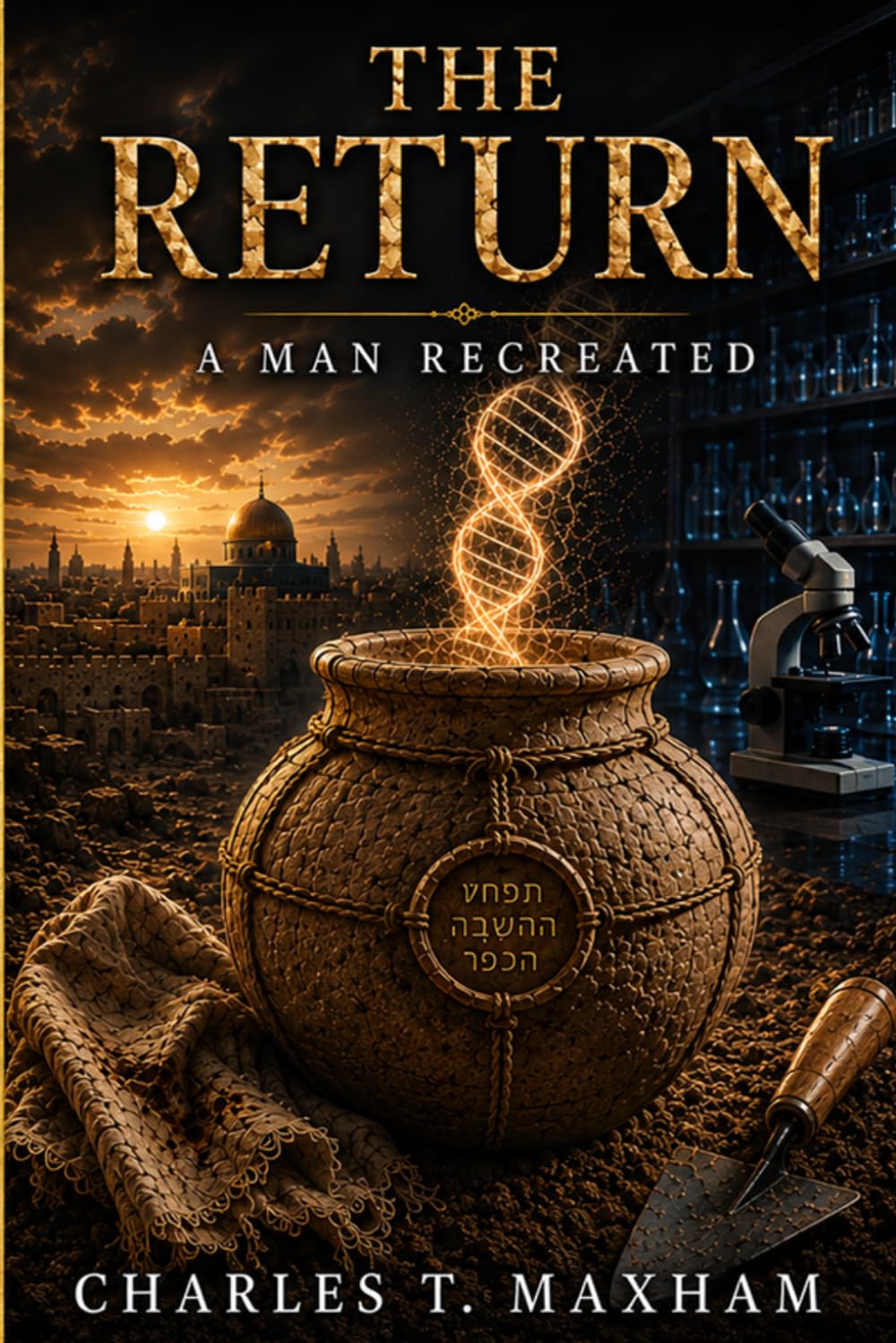
When the opening was finally cleared enough to allow a full view inside, the beam of light settled on a single object. An urn.
It was smaller than most funerary vessels they had recovered perhaps twelve inches in height, with a rounded body and a narrow neck. Its surface was unadorned, the clay darkened with age but intact. What drew immediate attention, however, was the seal.
The lid had been affixed with a thick, hardened substance that had fused with the lip of the vessel. It was not wax. Not pitch. Something more durable. The bond appeared complete, without fracture or separation.
“No break line,” the technician said.
Veran nodded slightly.
“Document it,” he replied.
Photographs were taken from every angle before anything was touched. Measurements were recorded. The surrounding cavity was mapped. Only then did Veran reach in. He paused briefly, as if reconsidering the moment, and then lifted the urn free. It was heavier than expected.
He set it gently on a prepared surface just outside the opening and removed his gloves. For a moment, he said nothing. The others waited.
“What do you think?” one of the assistants asked.
Veran did not answer immediately. He studied the seal, tracing its edge without touching it.
“It wasn’t meant to be opened,” he said finally.
The assistant shifted slightly.
“Most of these weren’t,” he replied.
Veran gave a faint shake of his head.
“No,” he said. “This is different.”
He gestured toward the lid.
“That wasn’t done for transport. That was done for permanence.”
There was no inscription on the urn. No marking to indicate origin or ownership. No symbol to guide interpretation. Only the seal.
They logged it as Artifact 47-B and placed it in a containment case for transport.
By late afternoon, the object had been moved from the site to a temporary field laboratory several miles away. The decision to open it there was debated briefly, and then deferred. Protocol required controlled conditions, proper oversight, and a full documentation team. No one argued. But the tone had shifted. What had begun as routine cataloging now carried a quiet sense of anticipation. That evening, Veran remained alone in the lab longer than the others did.
The urn sat on a stainless steel table under direct light, its surface revealing fine imperfections in the clay subtle ridges from shaping, faint discolorations from firing. It was unremarkable in almost every way. Except for the seal. He leaned closer, studying it again. There were no visible cracks. No signs of repair. No indication that it had ever been opened once it had been closed. He straightened slowly. Whatever was inside had been placed there deliberately… and preserved with care. Not hidden in haste. Not discarded. Kept. For a moment, the room was completely still.
Then Veran reached for his notebook and made a single notation beneath the catalog entry. Unbroken seal. Contents unknown. Possible intentional preservation. He paused, and then added one more line. Recommend controlled opening under full observation. He closed the notebook and turned off the overhead light. The urn remained where it was, untouched.
Waiting.